RESEARCH NOTE
This SOCs, But You Should Know: OSI Model (Part 1)
Explaining the OSI Model
I don’t love this question, but it’s something you’ll need to know for a SOC Analyst or security job interview.
We’ll divide it into a few different sections for each topic:
What is it
How it Works
Know-It Terms
Troubleshooting
One thing I do want to stress is that I am not a network engineer, and that the OSI model is conceptual; it is not a 1-to-1 understanding or exact implementation of how data transfer, meaning there are so many, many nuances when you start to get to the grit of how information actually travels across a network. Anyway, enough rambling, let’s begin the journey.
Please Do Not Throw Sausage Pizza Away
Physical (Layer 1)
Data Link
Network
Transport
Session
Presentation
Application (Layer 7)
Physical Layer
We need to understand the basis of data.
The smallest unit of data is a bit — 1 or 0. 8 bits equal a byte.
Keeping it simple, computers use and interpret 1s and 0s. Computers like to process information in bytes (8 bits each); it’s more efficient for data processing. Everything you see on a computer, those messages, photos, and videos, is all built from these bytes or groups of bits.
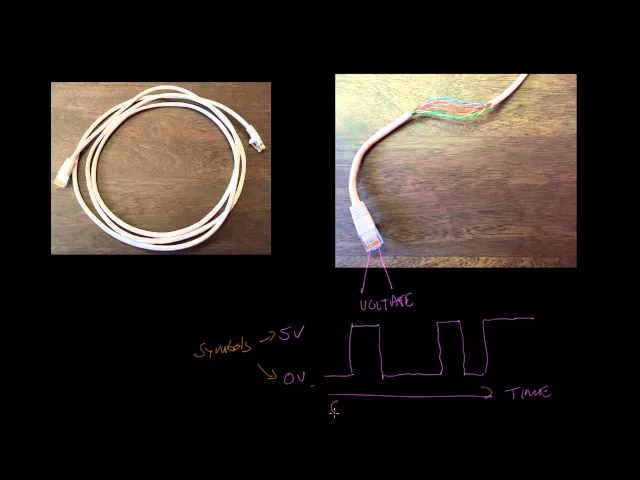
And to transfer this data, we use a physical medium, such as a cable.
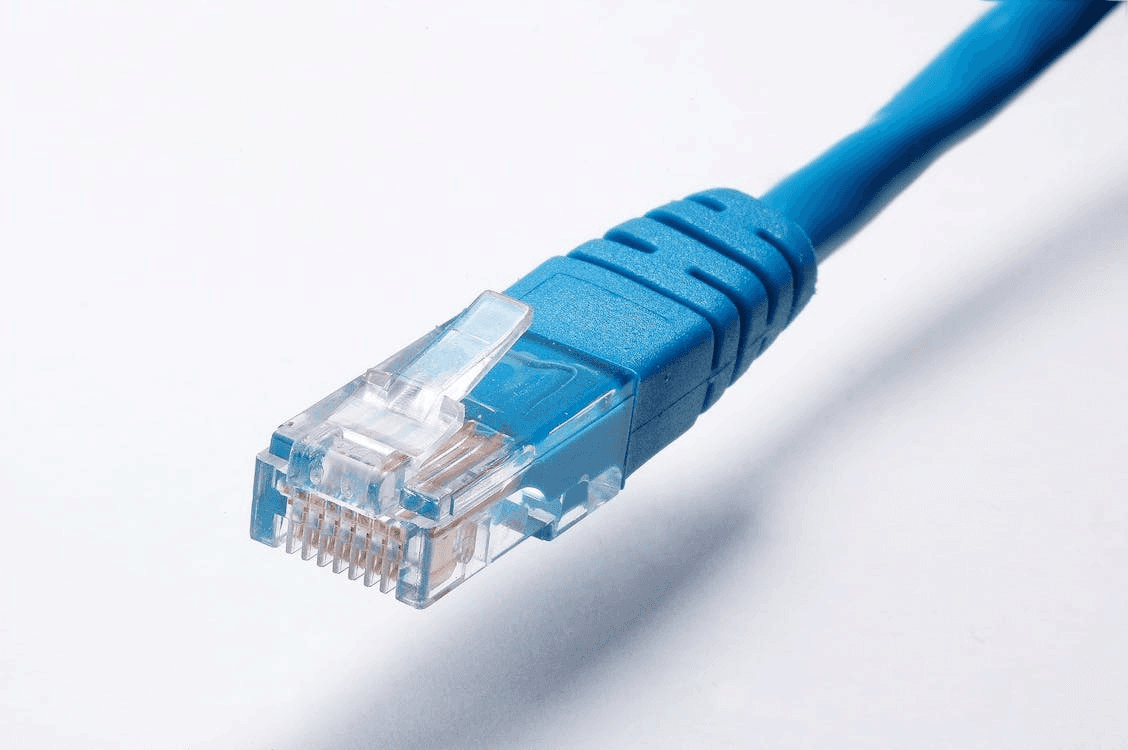
To move the data over the wire, it is converted into signals; there are different types of signals, such as radio, electrical, or optical.
If you want a breakdown of how we can even interpret 1s and 0s as messages, check out this amazing video that explains how different voltages can represent these bit values. Please watch Ben Eater's awesome YouTube explanation: “Sending digital information over a wire.”